Why Chiropractic Care Should Be Your First Call for Back Pain — Not Your Last Resort
Chiropractic as First-Line Care: What Patients Should Know Before Reaching for Medication
When back pain hits, most people follow the same path. They rest, they take medication, and they hope it goes away. When it does not, they consider physical therapy. Surgery comes up eventually. Chiropractic care, if it comes up at all, tends to be treated as an alternative when nothing else has worked.
That order is backwards — and the research backs that up.
What the Evidence Actually Shows
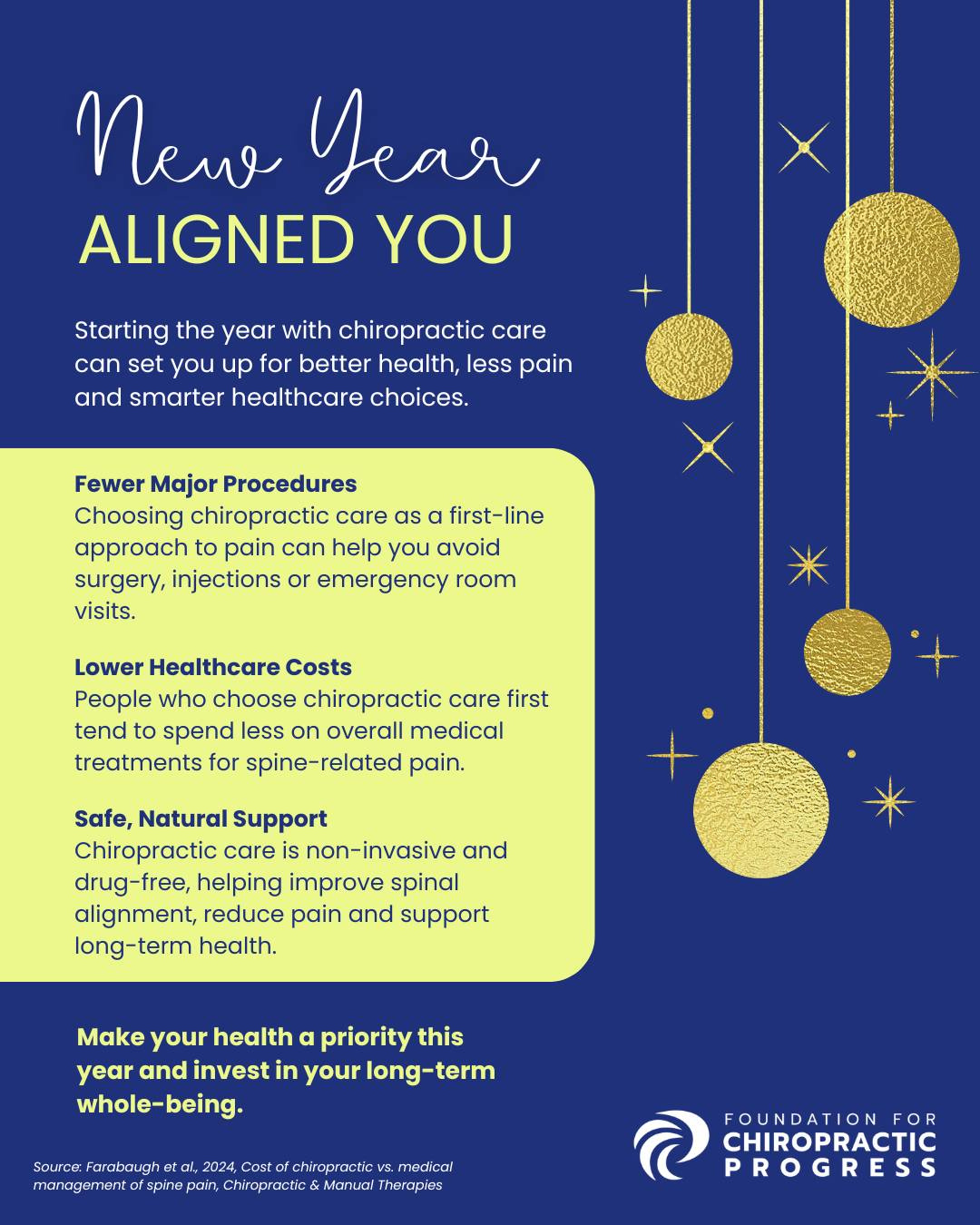
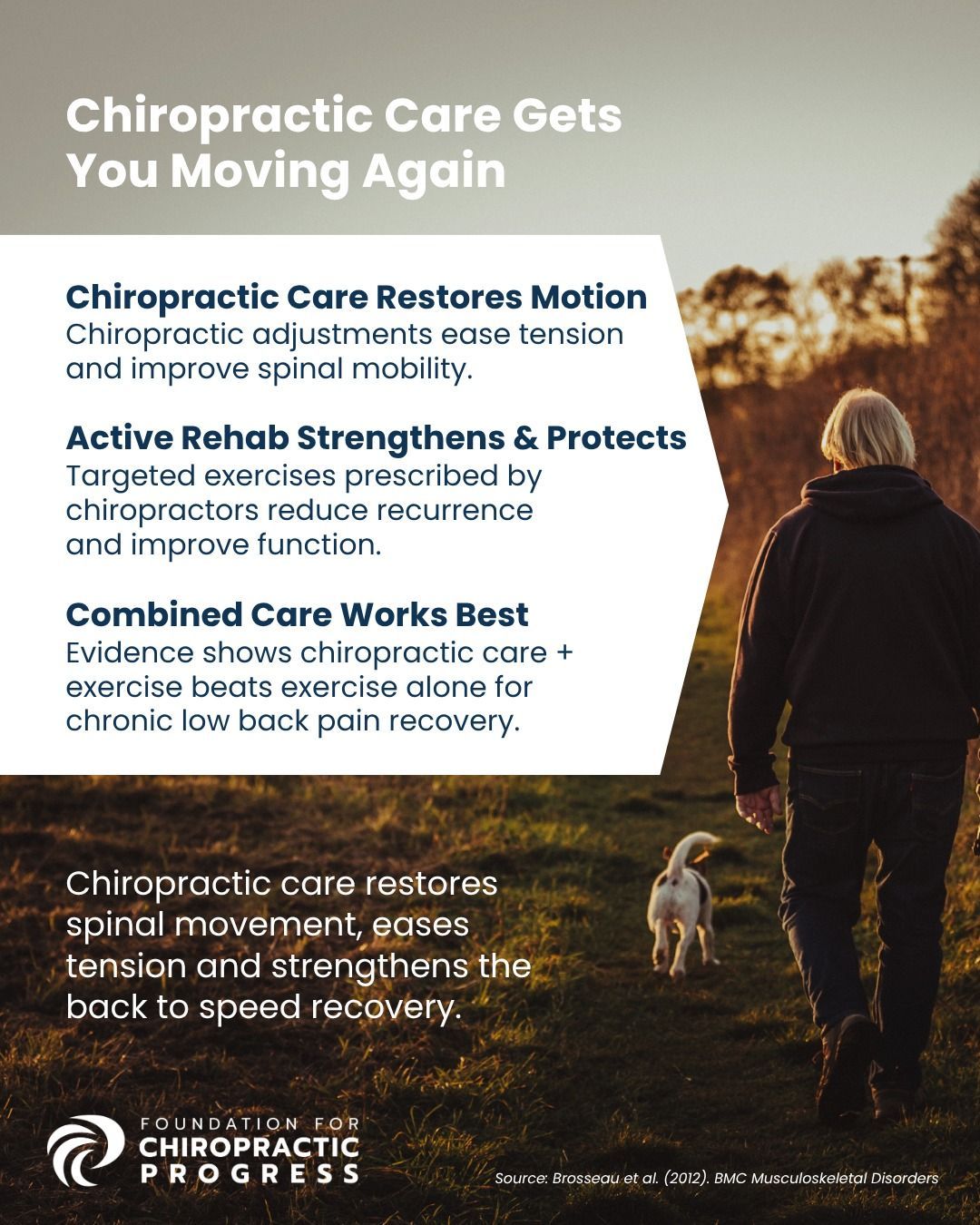
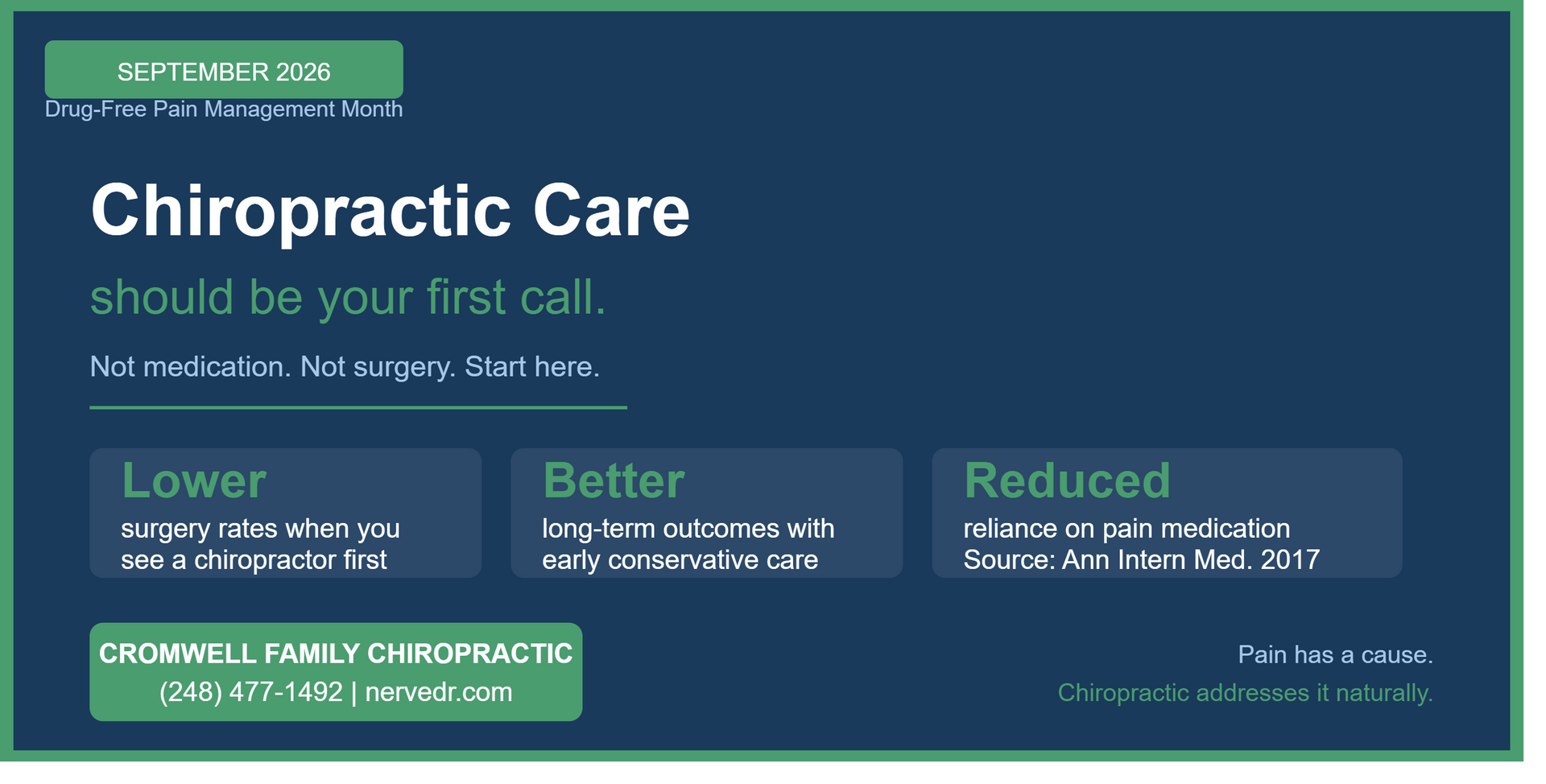
A study published in Annals of Internal Medicine found that spinal manipulation is effective for both acute and chronic back pain. The same body of research shows that patients who see a chiropractor first have lower surgery rates than those who start with other providers. Early conservative care — meaning care that addresses the cause without drugs or surgery — leads to better long-term outcomes across the board.
Chiropractic care is not a fringe option. It is recommended as a first-line treatment for back pain by major clinical guidelines. Starting there is not a gamble. It is the evidence-based choice.
Why Medication Alone Falls Short
Medication has a clear role in acute pain management. The problem is that most back pain is mechanical. Something in your spine, joints, muscles, or posture is not working the way it should. Medication reduces the sensation of that problem without changing the problem itself.
When the medication wears off, the mechanical issue is still there. The pain returns. The cycle continues.
This is not a failure of medication — it is a mismatch between the tool and the problem. A mechanical problem needs a mechanical solution. That is exactly what chiropractic care provides.
What a Drug-Free Care Plan Looks Like
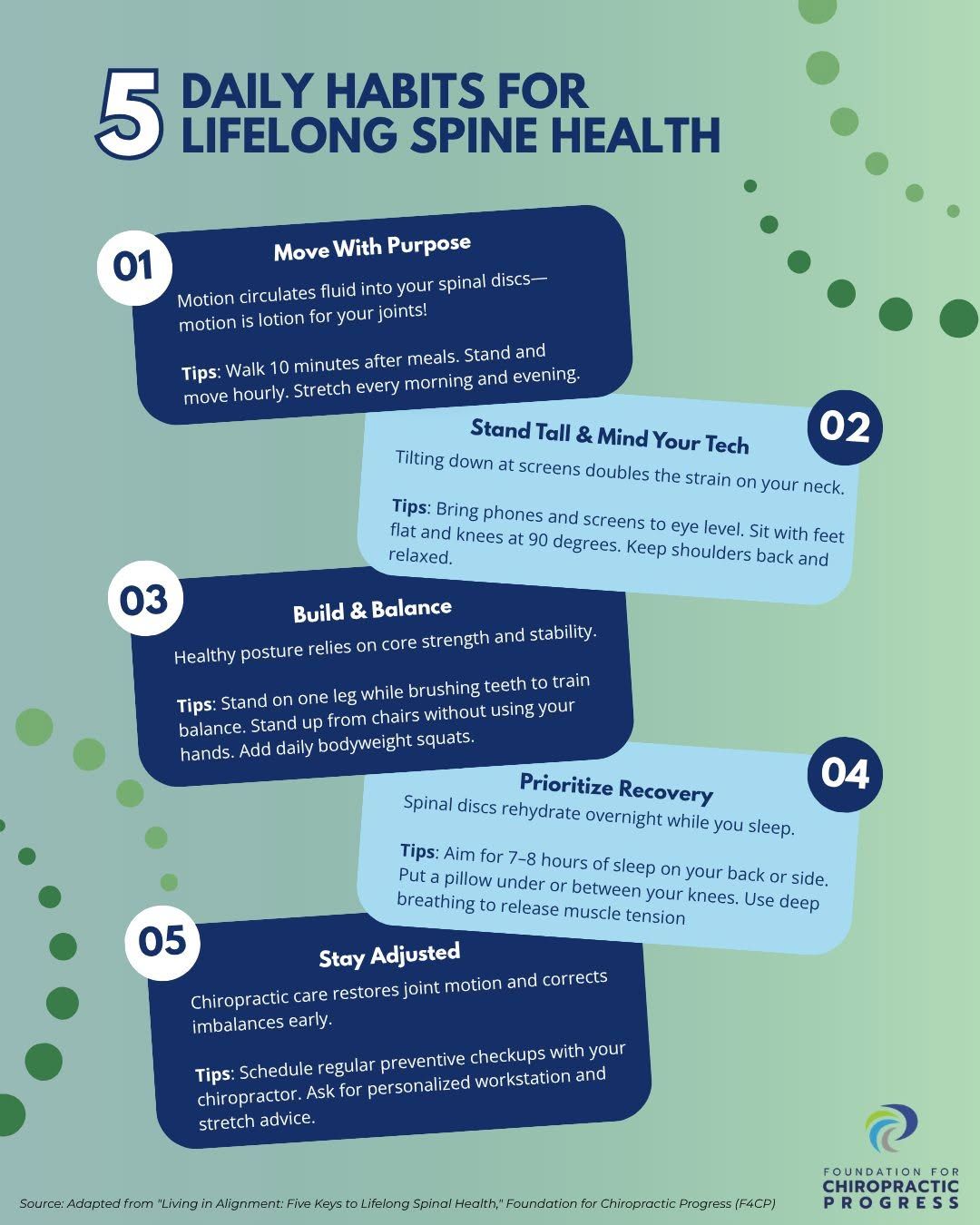
A complete chiropractic care plan does more than adjust your spine. It addresses every layer of the problem driving your pain.
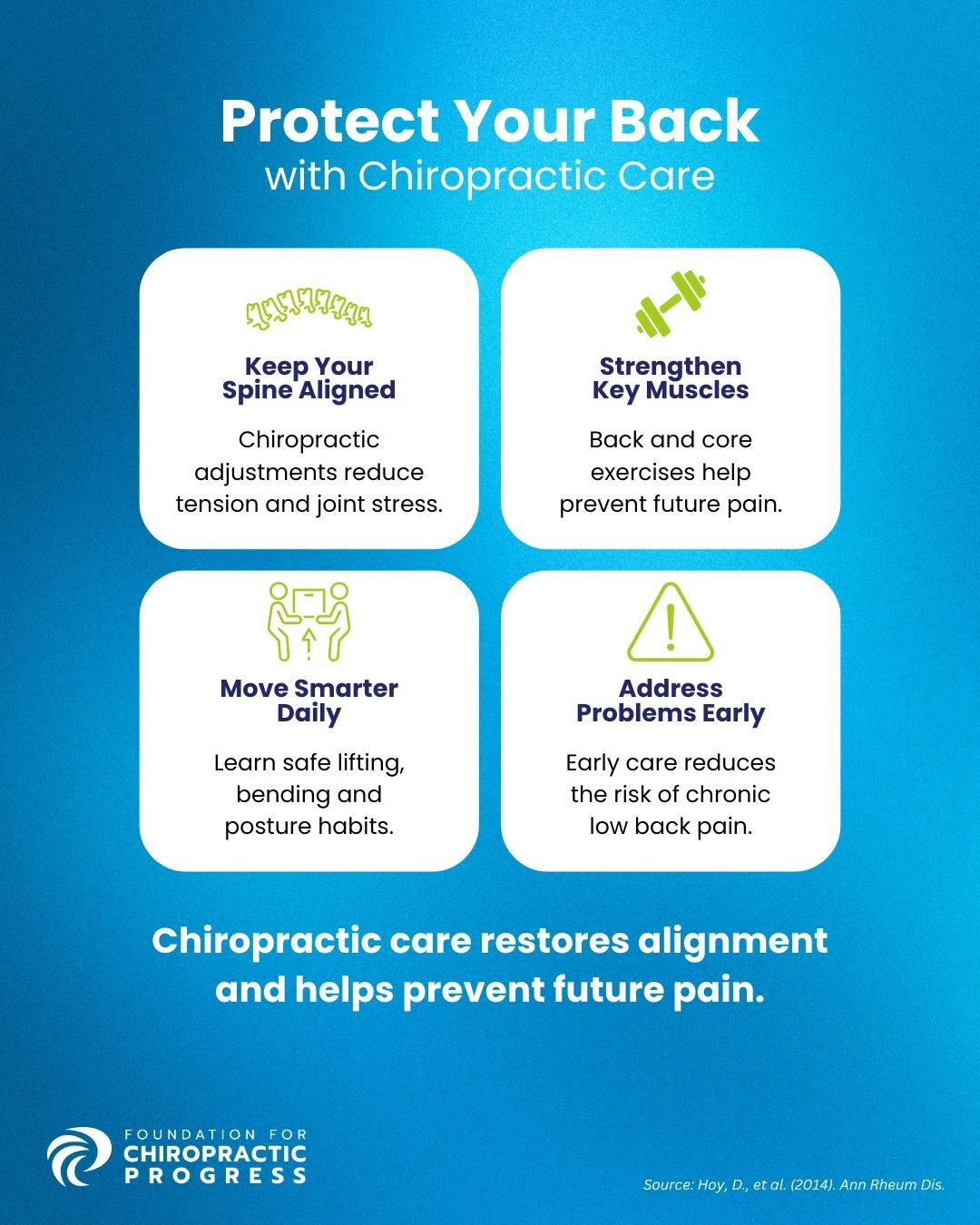
Chiropractic adjustments restore joint motion and alignment and reduce nerve irritation. Mobility and strengthening exercises rebuild the support system around your spine. Posture and ergonomic coaching change the daily habits and positions that created the problem in the first place. Lifestyle and nutrition guidance supports your body's ability to heal and maintain those changes over time.
That is a full plan — not a single intervention. It treats the cause of your pain, not just the feeling of it.
September Is Drug-Free Pain Management Awareness Month
This month is a good time to take an honest look at how you have been managing pain and whether the approach is actually working. If you have been cycling through medication, short-term relief, and returning pain, the source of the problem has not been addressed yet.
The question worth asking is not whether chiropractic care works — the evidence on that is clear. The question is whether you are giving your body the right type of care for the type of problem you have.
Back pain that comes from joint restriction, nerve irritation, muscle imbalance, or poor posture responds to care that addresses those things directly. Starting with chiropractic care gives you the best chance at a lasting result with the least intervention required.
When to Make the Call
You do not need to be in severe pain to benefit from chiropractic care. In fact, the earlier you seek care, the better your outcomes tend to be. If back pain is affecting your movement, your sleep, your work, or your daily activities, that is enough reason to get evaluated.
If you are near Farmington's Riley Park on Grove Street, Cromwell Family Chiropractic is close by and easy to reach. Call us at (248) 477-1492 or visit https://www.nervedr.com/ to schedule your appointment today.