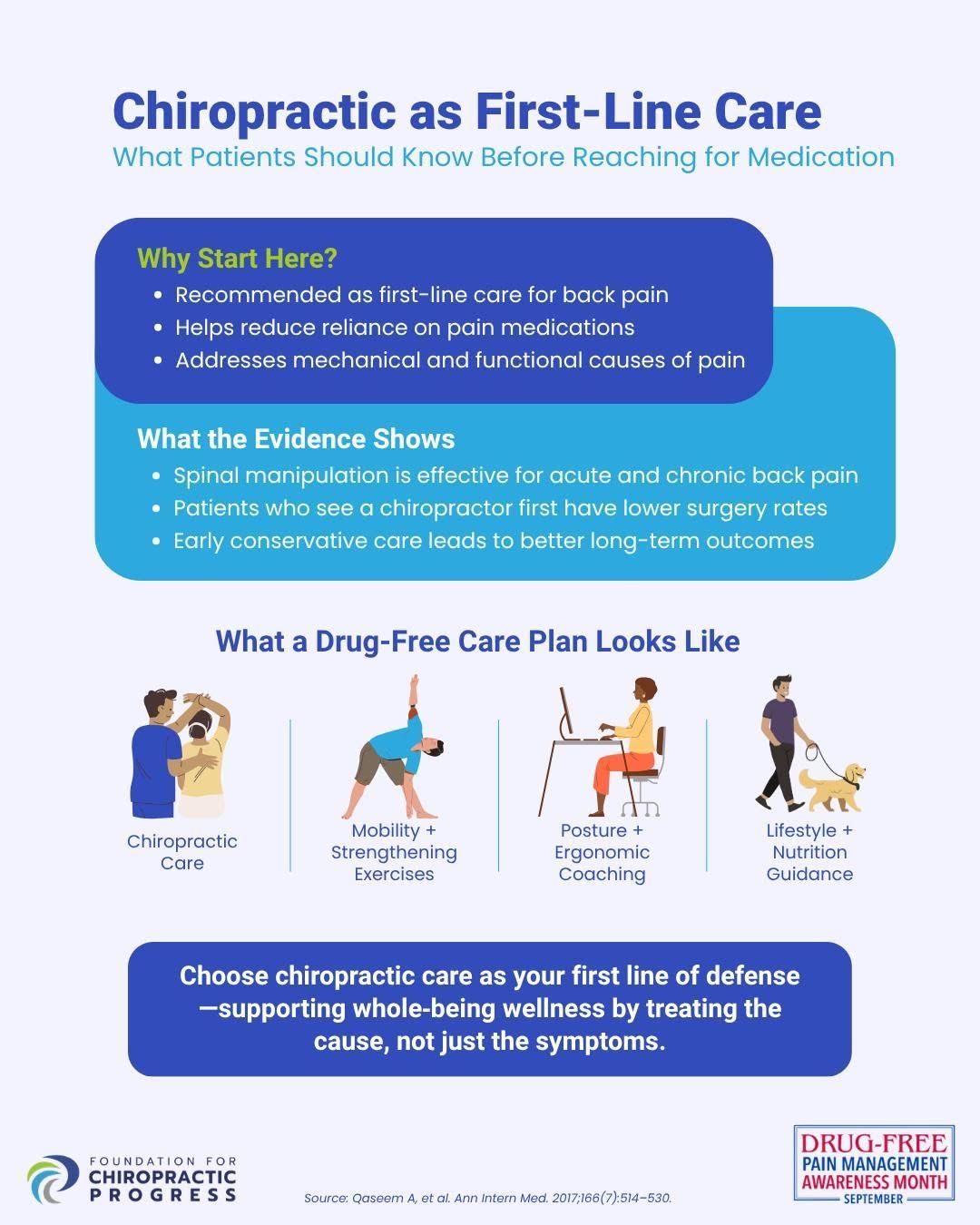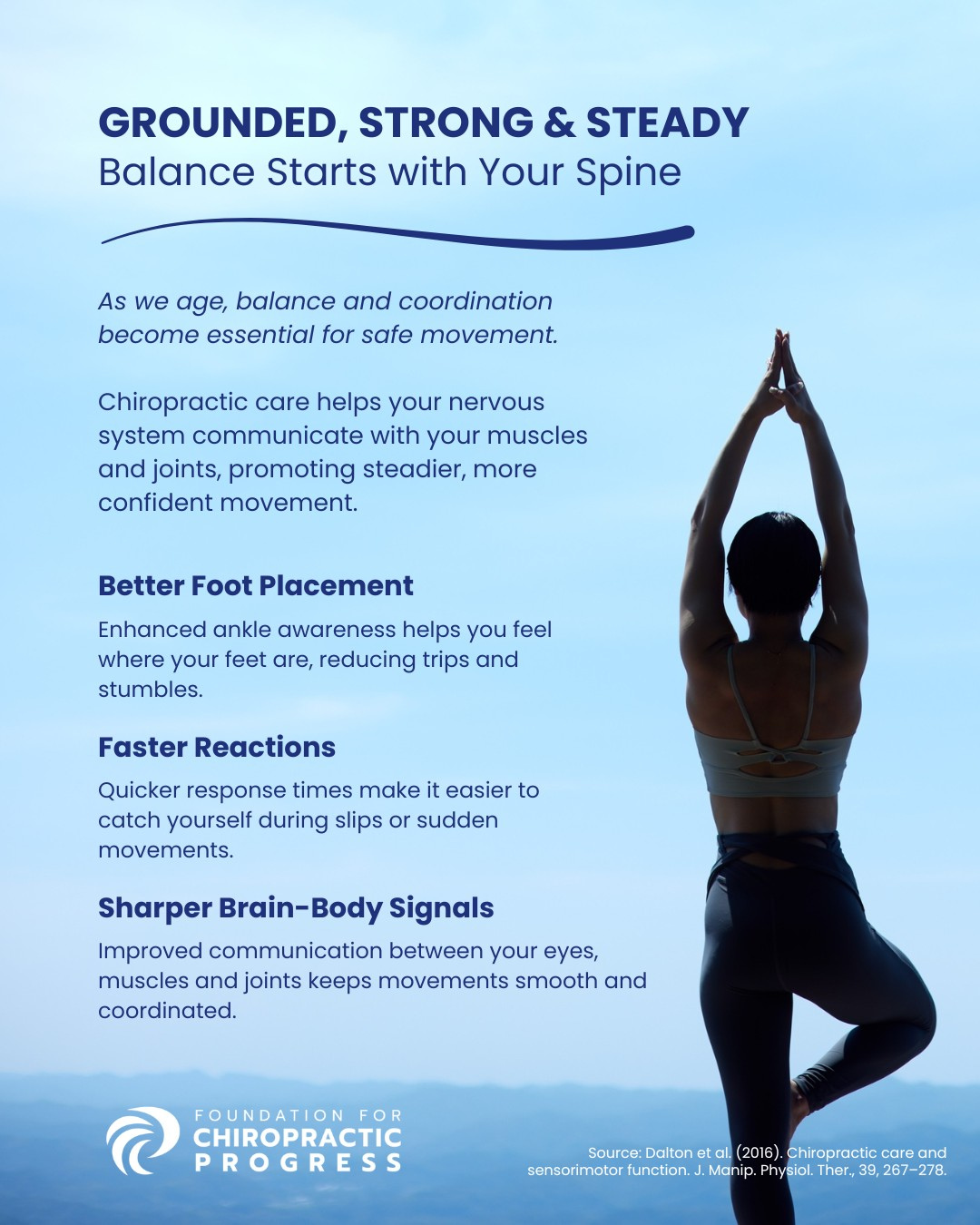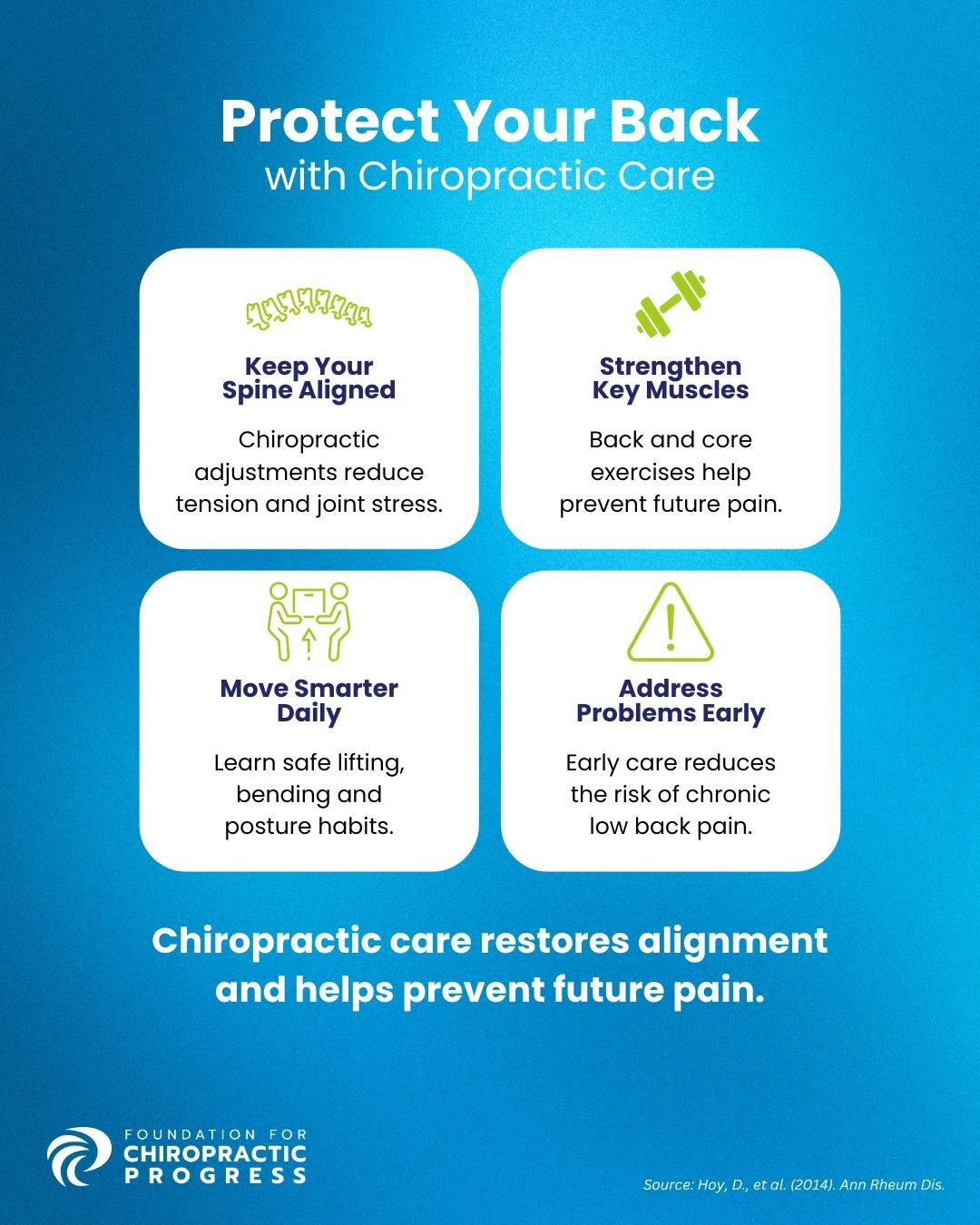
Why Sleep Is the Most Important Part of Your Recovery
Read More For This Little Secret -
Most people think recovery happens at the gym, or in the kitchen, or during a stretch routine. But your body does its most important repair work while you sleep. Every single night, your body runs through a full system reset — and if that process gets cut short, everything else suffers.
Here is what actually happens while you sleep.
Your Body Is Busy While You Rest
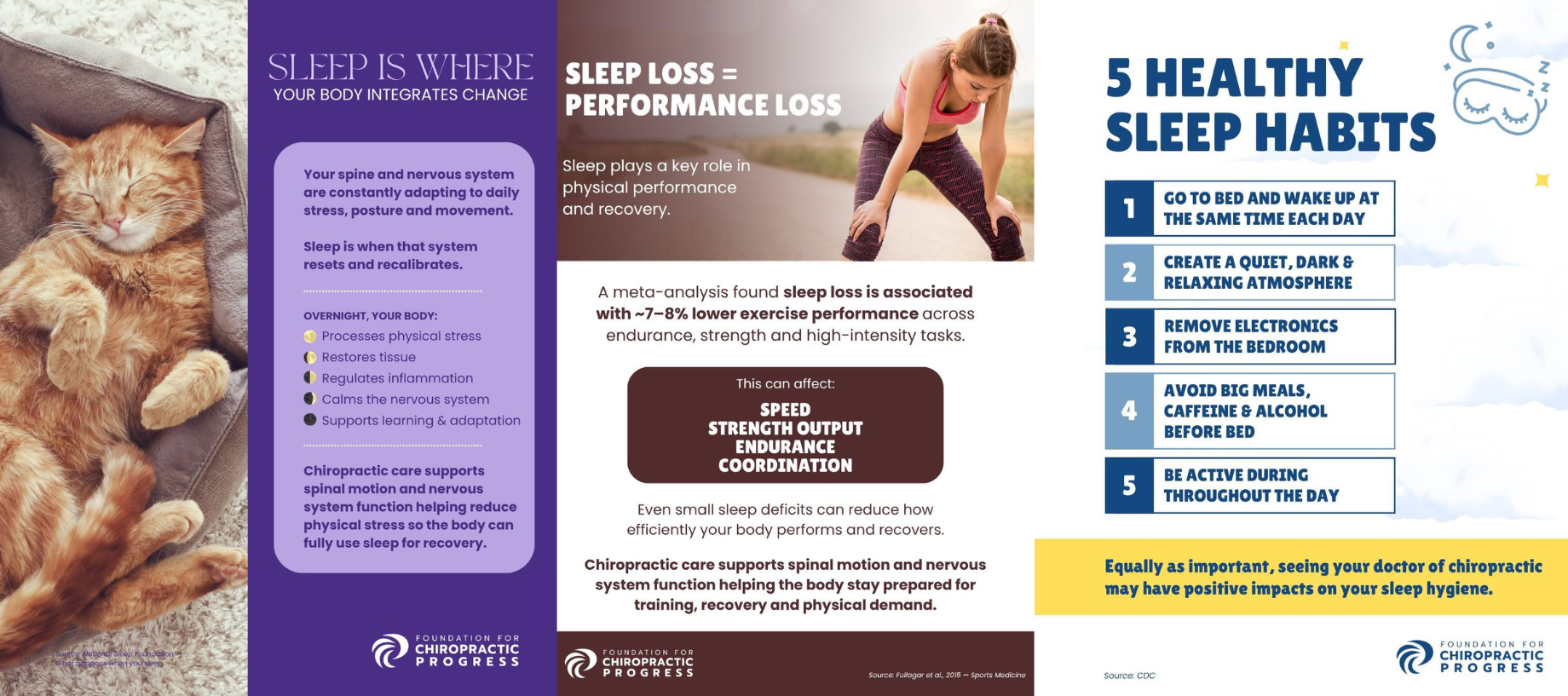
Sleep looks passive from the outside. Inside, your body is working hard. Overnight, your body processes the physical stress it collected during the day. It restores damaged tissue. It regulates inflammation. It calms your nervous system. It supports learning and physical adaptation.
That last one matters more than most people realize. When you learn a new movement, practice a skill, or push through a hard workout, your brain and body need sleep to lock in those changes. Without enough quality sleep, your body cannot fully integrate what you put into it during the day.
Your Spine and Nervous System Need This Reset Too
All day long, your spine and nervous system adapt to stress. Your posture at your desk, the way you carry a bag, the tension you hold in your shoulders — your nervous system tracks all of it.
Sleep is when your body gets the chance to process and release that stress. Think of it like clearing a cache on your phone. When sleep quality drops, that stress stays loaded in your system. Your body wakes up carrying yesterday's load into a new day.
Over time, that adds up. Chronic poor sleep is linked to increased inflammation, slower tissue repair, and a nervous system that stays in a heightened state of tension. That tension affects how you move, how you feel, and how well you recover from physical activity.
What Gets in the Way of a Good Reset
Poor sleep quality does not always mean you are not sleeping long enough. You can spend eight hours in bed and still miss out on deep, restorative sleep if your body is carrying too much physical stress going into the night.
Common barriers include spinal tension from poor posture or repetitive movement, a sleep position that puts strain on your neck or lower back, a pillow or mattress that does not support your spine properly, and nervous system stress that keeps your body from fully relaxing.
When any of these are present, your body spends part of the night managing discomfort instead of recovering from the day.
How Chiropractic Care Supports Better Sleep
Chiropractic care focuses on spinal motion and nervous system function. When your spine moves well and your nervous system is not overloaded, your body is in a much better position to use sleep the way it is supposed to be used.
Regular chiropractic adjustments help reduce the physical tension your body carries into sleep. That means less interference with the overnight repair process. It also means you wake up feeling more rested because your body was actually able to do its job.
Your chiropractor can also give you guidance on sleep positions, pillow support, and mattress setup to make sure your spine rests well while you sleep.
The Bottom Line
Sleep is not just rest. It is your body's built-in repair system. When you protect your sleep quality, you give your body the chance to heal, adapt, and prepare for the next day.
If you wake up stiff, tired, or sore on a regular basis, that is worth paying attention to.
If you're visiting downtown Farmington near Governor Warner's Mansion, call our office at (248) 477-1492 to schedule an appointment. The team of doctors at Cromwell Family Chiropractic is here to help.